
How to Make Preserved and Solubilized Room and Linen Sprays
- Jean McCabe
- Nov 20, 2025
- 4 min read

A Friendly Guide for DIY Enthusiasts and Crafters
Introduction
Room and linen sprays are a delightful way to freshen up your home with your favorite scents. Making your own sprays allows you to customize fragrances and control ingredients. These sprays also make wonderful gifts for friends and family, offering a personal and thoughtful touch for any occasion. However, it's important to ensure your creations are both preserved (so they last safely) and solubilized (so the scent blends evenly). This guide walks you through the process, explains the roles of preservatives and solubilizers, and provides practical tips for blending and dilution. Let’s get started!
What Is a Preservative?
A preservative is an ingredient added to your spray to prevent the growth of bacteria, mold, and yeast. Since room and linen sprays often contain water, they can become a breeding ground for microbes if not properly preserved. Alcohol is the most common preservative used in DIY sprays because it’s effective, widely available, and can also act as a solubilizer if the alcohol content is high enough. For a spray to be safely preserved, the final alcohol concentration must be high enough to inhibit microbial growth, usually at least 20-30% in the finished product.
What Is a Solubilizer?
A solubilizer helps blend ingredients that don’t naturally mix, such as essential oils and water. Without a solubilizer, essential oils can float on top or separate, causing uneven scent distribution and possible skin irritation if sprayed directly. Alcohol can act as a solubilizer, but for lower-proof alcohol or alcohol-free sprays, you might need to add a commercial solubilizer available at Aromatic International.
Alcohol strength—measured in “proof”—is crucial for both preservation and solubilization. Here’s what you need to know:
190 Proof (95% Alcohol): The strongest option, ideal for preservation and blending essential oils. Commonly sold as grain alcohol (e.g., Everclear).
151 Proof (75.5% Alcohol): Effective for preservation but you’ll need to use more to reach the target percentage in your spray. It may not be effective as a solubilizer.
120 Proof (60% Alcohol): Will act as a preservative but will not solubilize the spray.
The higher the proof, the less alcohol you need to add to reach a safe preservation level. Lower proof alcohols may require you to use a larger volume, reducing the amount of water and fragrance you can include.
NOTE Alcohol proofs lower than 120 proof will not preserve your spray.
Recommended Ratios for Different Alcohol Strengths
Here’s how to calculate the right amount of alcohol for your spray, depending on the proof for a room, body or linen spray:
190 Proof: 1 ounce of 190 proof alcohol to 3 ounces of distilled water.
151 Proof: 1 ounce of 151 proof alcohol to 2 ounces of distilled water.
120 Proof: 1 ounce of 120 proof alcohol to 1.4 ounces of distilled water.
If you can’t get high-proof alcohol, consider adding a commercial preservative and a solubilizer to keep your spray safe and stable.
Step-by-Step Mixing Instructions
Prepare Your Ingredients by measuring out you ingredients:
Alcohol (see ratios above)
Distilled water
Essential oils
Blend the Essential Oils with Alcohol:
In a clean container, mix your essential oils with the alcohol. Stir or shake gently to combine, leave it sit overnight or at least 4 hours. This step helps the oils dissolve and to prevent separation.
Add Distilled Water:
Slowly add distilled water to your blend, stirring gently. The mixture may turn cloudy, which is normal if you’re using solubilizer.
If your alcohol content is below the recommended level, add a preservative at the manufacturer’s suggested rate.
Meld and Bottle:
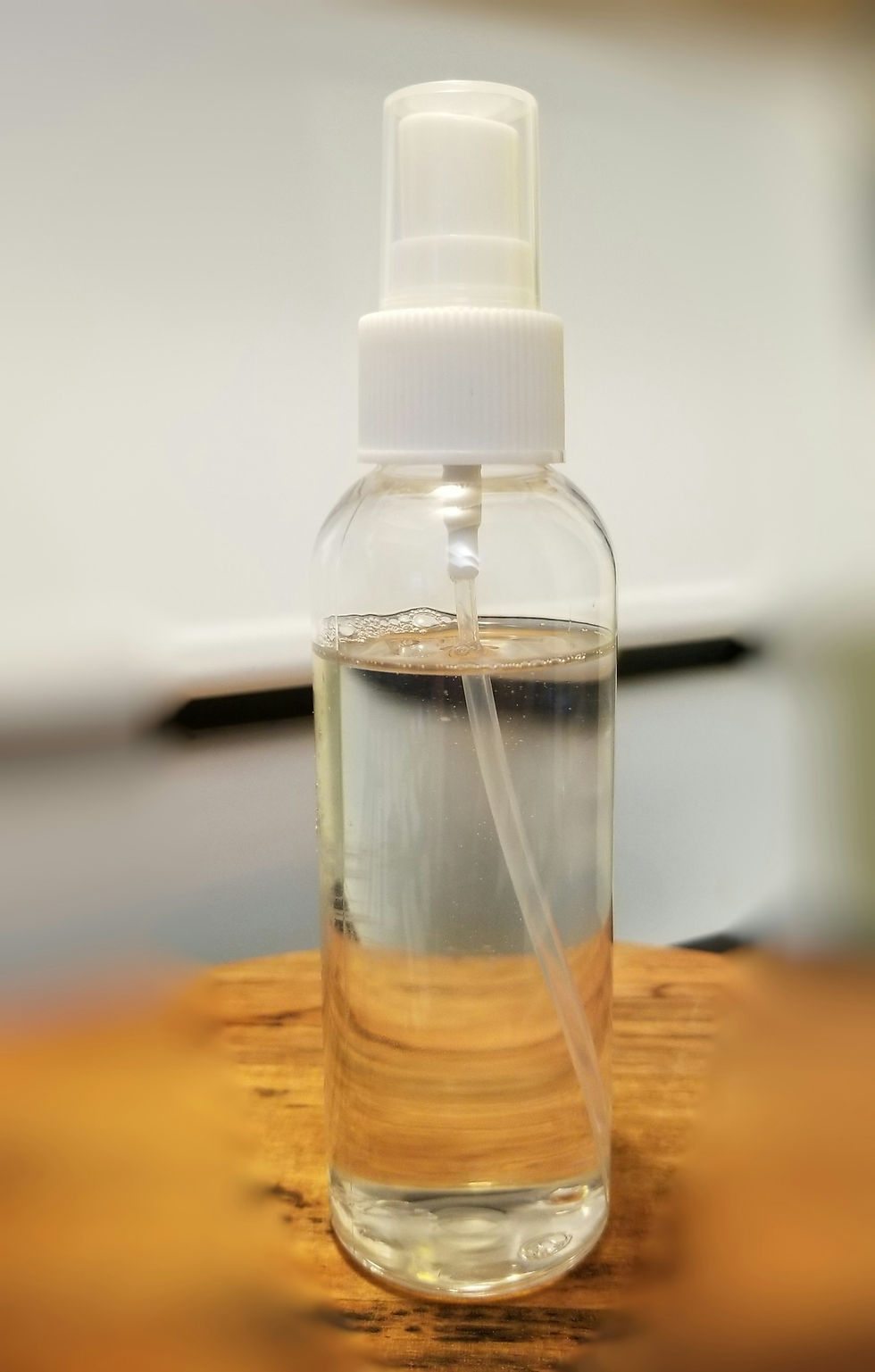
Let the mixture sit for a few hours to allow the scent to meld. Pour into a spray bottle, label, and store in a cool, dark place.
Tips for Best Results
Shaking: Always shake your spray bottle before each use to ensure even scent distribution.
Dilution Rates: For a light scent, use 1-2% essential oil per batch (1–2 mL per 100 mL spray). For a stronger scent, use up to 4% (5 mL per 100 mL), but test first to avoid overpowering aromas.
Alternatives to Higher Proof Alcohols: If you can’t find high-proof alcohol, use a reputable preservative and solubilizer. Avoid using rubbing alcohol (isopropyl) for sprays intended for fabrics or skin.
Perfumers alcohol can also be used in place of the 190 proof alcohol.
Blends
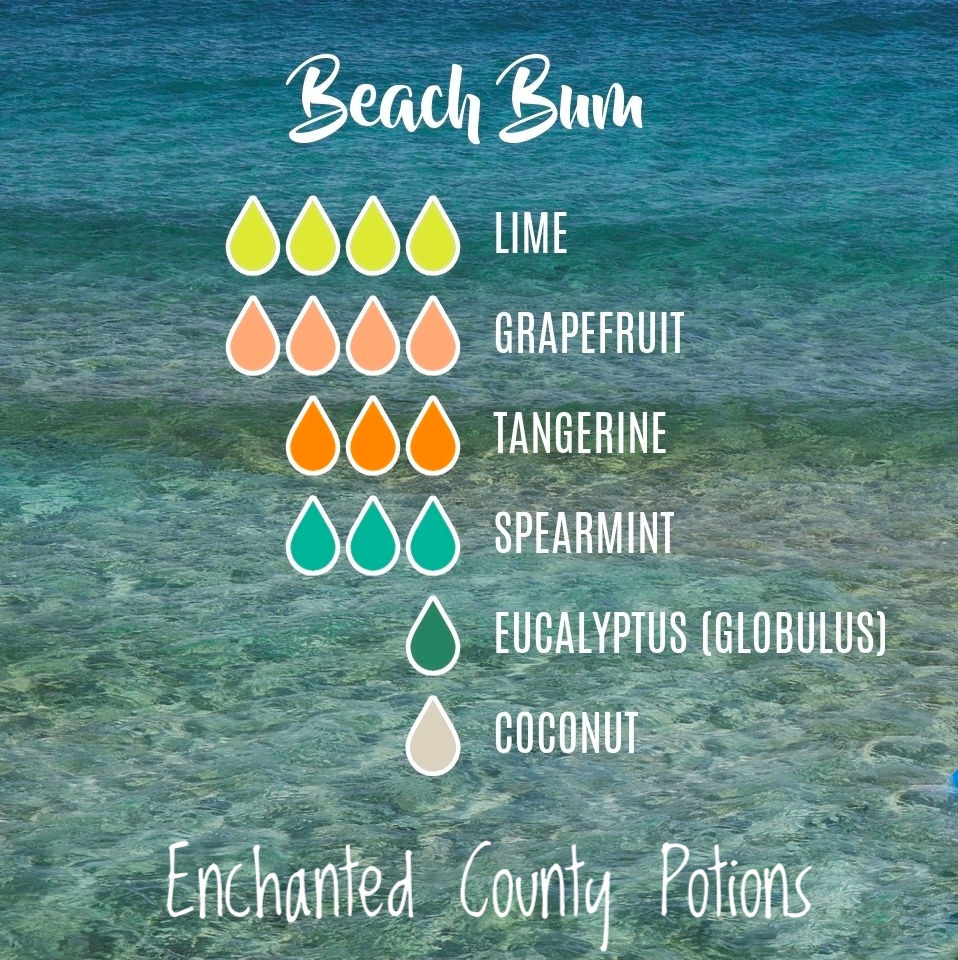
Here are links to my previous blog post with blends that would be great for a room or linen spray.
Conclusion
Making preserved and solubilized room and linen sprays at home is rewarding and safe when you follow proper guidelines. Always use enough alcohol or preservative to keep your spray fresh, and blend with a solubilizer to ensure an even scent. Label your creations and keep out of reach of children and pets. These homemade sprays also make wonderful gifts for friends and family—simply pour into decorative bottles, add a personalized label or ribbon, and share your custom scents as thoughtful, handcrafted presents. Enjoy your custom scents—and happy crafting!


Comments